
You got your eTA approved, filed the email away, and now you’re booking a trip two years later. The eTA is still good — it’s valid for five years, right? Maybe. Or maybe your passport expires before then, and your eTA already stopped being valid months ago without you realising it.
Your Canada eTA is valid for up to five years, but only if your passport lasts that long. The rule is: whichever comes first — five years from approval, or your passport’s expiration date — that’s when your eTA ends. The five-year maximum is a ceiling, not a guarantee. When you need to submit a new eTA application, the process is quick and most approvals arrive within minutes.
That single distinction is what catches people out. Everything below explains how it plays out in practice, what to check before each trip, and what to do when your passport changes.
The Five-Year eTA Validity: A Common Misinterpretation
The five-year figure is real. An approved eTA can remain valid for up to five years, and during that time you can travel to Canada as often as you want for short stays, normally up to six months at a time. That’s genuinely useful for anyone making regular trips.
The misreading is treating five years as a fixed clock that starts ticking from the day you applied. It isn’t. The eTA is electronically linked to the specific passport you used when you applied. The moment that passport expires, the eTA attached to it expires too — regardless of how much time was left on the five-year window. If you hold dual citizenship and are unsure which passport to use, see our guide on applying for a Canada eTA with dual citizenship.
So if someone applied for an eTA on a passport that was already three years old, they might have had only two years of eTA validity, not five. If their passport expired six months after they applied, so did the eTA — even though it showed an approval with a five-year potential lifespan.
| Common belief | How it actually works |
|---|---|
| The eTA is always valid for five full years | It’s valid for up to five years or until your passport expires, whichever is sooner |
| Once approved, the eTA runs independently of your passport | The eTA is tied to the specific passport used on the application |
| You can renew your passport and keep using the old eTA | A new passport requires a new eTA application |
| The five-year clock starts fresh with a new passport | A new passport means a new eTA — the old one becomes unusable |
How Your Passport’s Expiration Date Shapes Your eTA’s Lifespan
Because the eTA is linked to your passport — not just to you as a person — the passport’s lifespan directly caps the eTA’s lifespan. Airline staff scan your passport at check-in to confirm you have a valid eTA. That scan reads the passport number and checks it against the eTA record. If the passport has expired, the system won’t find a valid eTA attached to it, and you won’t board.
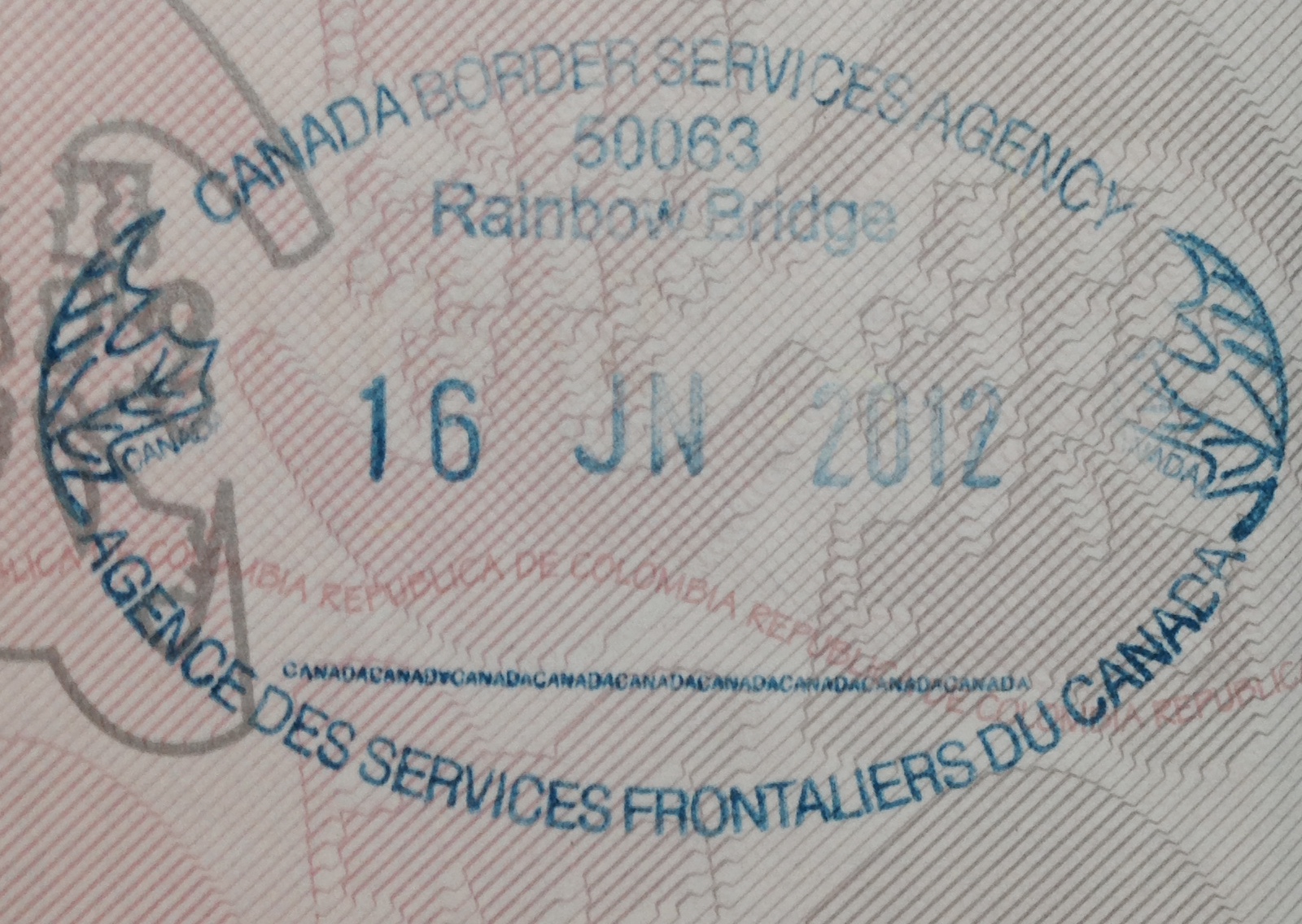 Photo by Pipeafcr on wikimedia (CC BY-SA 4.0)
This also means that if you applied for an eTA using a passport that was already close to expiry, you effectively got a short-lived eTA. The application process doesn’t warn you about this — it simply issues an eTA that will expire when your passport does.
The practical consequence: before applying for an eTA, check how much time is left on your passport. If your passport has less than five years remaining, that’s the actual maximum life of your eTA.
If you want to get the full five-year window, apply on a passport that has at least five years left on it.
Real-World Scenarios: When Your eTA Expires Sooner Than Expected
The table below shows how the passport expiry date shapes the eTA’s real validity in concrete cases.
| Scenario | Passport issued | Passport expires | eTA applied | eTA expires |
|---|---|---|---|---|
| Full five-year window | 8 years ago | In 2 years | Recently | When passport expires — roughly 2 years |
| New passport, full window | Recently | In 10 years | Same day | Five years from application |
| Old passport, short window | 9 years ago | In 6 months | Recently | In 6 months |
| Mid-life passport | 4 years ago | In 6 years | Recently | Five years from application (passport outlasts the eTA) |
The third row is the one that surprises people. Someone travelling on a passport they haven’t renewed yet applies for an eTA, gets approved, and assumes they’re covered for five years. They’re not — they’re covered until that passport expires, which might be months away.
Planning Multiple Trips: Verifying Your eTA Status Before Each Journey
With a valid eTA, you can make as many trips to Canada as you like during the validity period, each stay normally up to six months. That makes it genuinely convenient for regular travellers — but only if you confirm the eTA is still valid before each trip.
The check to run before booking any flight:
- Find your eTA approval email. It contains your eTA number.
- Check the passport number in that email against your current passport. They must match exactly. If you’ve renewed your passport since the eTA was issued, that eTA is already dead.
- Check your passport’s expiry date. If it has expired or is about to, the eTA is expired or nearly so.
- Verify the eTA status if you’re unsure — you can check the status of your eTA application to confirm it’s still active before you fly.
Don’t leave this check until the day before travel. If you discover the eTA has expired, you’ll need to apply for a new one. Most decisions arrive within minutes, but some requests take up to 72 hours if supporting documents are needed. Cutting it close is a gamble.
FAQ
Do I need a new eTA if I renew my passport early, even if my old eTA hasn’t expired yet? Yes. The eTA is linked to the specific passport number used on the application. Once you have a new passport, the old eTA — regardless of how much time it had left — is attached to a passport you’re no longer presenting. You’ll need to apply for a new eTA on the new passport before flying to Canada.
What if I have dual citizenship and my eTA is linked to a passport I don’t plan to use for my trip? You must present the passport that is linked to your eTA when checking in for your flight. There’s no flexibility here — the airline scans the passport to confirm the eTA. Note also that dual Canadian citizens are required to use their Canadian passport to board flights to or transit through Canada by air, so they wouldn’t hold an eTA at all in that context.
Can I transfer my eTA to a new passport if my current one is lost or stolen? No. There is no transfer mechanism. A new passport requires a new eTA application. Apply as soon as you have the replacement passport — don’t wait until just before travel.
How do I check the exact expiration date of my existing Canada eTA? Your eTA approval email contains your eTA number. You can use that number, along with your passport details, to check your eTA’s current status through the official IRCC status tool on Canada.ca. Doing this well before any planned trip is the sensible habit.
Is there a grace period for using an eTA if my passport is about to expire? No grace period exists in the rules. The eTA expires when the passport it’s linked to expires. If your passport expires before your trip, your eTA is already invalid for that travel, and you’ll need both a new passport and a new eTA.
What Happens When Your Passport Changes or Expires: Reapplying for a New eTA
If you get a new passport for any reason — routine renewal, lost or stolen passport, name change, full pages — you need a new eTA. There is no transfer process. Our article on what happens when your eTA was approved but you applied for a new passport covers this scenario in detail. Our article on what happens when your eTA was approved but you applied for a new passport covers this scenario in detail. The old eTA stays linked to the old passport number and cannot be moved to the new one.
This applies even if the old eTA still has years of validity left on paper. Once the passport it was issued against is replaced, that eTA is no longer usable. Airline staff scan the new passport; it has no eTA attached to it; you don’t board.
The rule is simple: one passport, one eTA. New passport always means a new eTA application.
The new application is straightforward — you’ll need your new passport, a credit or debit card, and an email address. Most approvals arrive within minutes, though some take a few days. Apply as soon as you have the new passport in hand, well before any planned travel.
Common Mistakes That Catch Travellers Off Guard
Assuming the old eTA still works after a passport renewal. This is the most common error. Someone renews their passport a year before a trip, forgets about the eTA, and shows up at check-in with a valid new passport but no valid eTA attached to it. The airline scan confirms no eTA, and boarding is denied. The fix is simple — apply for a new eTA as soon as the new passport arrives.
Applying for an eTA on a nearly-expired passport. If your passport expires in four months and you apply for an eTA today, your eTA is valid for four months, not five years. Apply on a fresh passport if you want the full window.
Entering the wrong passport number on the application. The eTA is locked to the number you entered. If that number doesn’t match your physical passport exactly, you may not be able to travel to Canada. Always verify the passport number in your approval email against the number printed in your passport.
Not checking eTA validity before booking, only before flying. Discovering an expired eTA the day before departure is stressful but recoverable — most applications process within minutes. Discovering it at the check-in desk is not recoverable in time. Build the check into your booking routine, not your packing routine.
Assuming a valid eTA guarantees entry. It doesn’t. A valid eTA and a valid passport are both required to board, but a border services officer at the port of entry makes the final decision on admission and the length of your stay. The eTA is an authorisation to travel to Canada, not a guaranteed right of entry. If you want to know what that officer can and can’t ask you during that conversation, understanding your rights at the Canadian border with an eTA explains it.
The core rule is worth repeating once, plainly: your eTA’s validity is capped by your passport’s expiry date, even if five years haven’t passed. Before every trip, confirm that the passport you’re travelling on is the one linked to your eTA, and that both are still valid. If you’ve renewed your passport since your last trip to Canada, apply for a new eTA before you book your flights.