
A lot of travellers assume that crossing into Canada with a dog or cat is roughly like crossing with extra luggage: declare it, pay a small fee, move on. The reality is that Canada has specific import requirements for animals, and arriving without the right paperwork puts you at genuine risk of delays or, in the worst case, being turned back at the border. The correct documents and health preparations need to be in order before you leave home, not assembled at the crossing.
The short answer: what you need depends on where your pet was born, where it’s been living, and whether it’s been vaccinated against rabies. Canada’s import requirements are designed to prevent the introduction of animal diseases and to protect people, plants, and animals. Get the right paperwork in order and the border crossing itself is usually straightforward.
If you’re also sorting out your own entry documents before the trip, the Canada eTA application status process is worth understanding early, since your own travel authorisation and your pet’s paperwork both need to be confirmed before you fly. That said, an eTA itself only covers arrival by air — if you’re driving across the border with your pet instead, do you need a Canada eTA by land or sea explains what documents your own entry actually requires.
Determining Your Pet’s Eligibility: What Kind of Animal Are You Bringing?
This guide focuses on dogs and cats, which are by far the most common pets travellers bring across the Canadian border. Canada’s import requirements exist specifically to prevent the introduction of animal diseases and to protect people, plants, and animals already in the country. That purpose shapes every rule below.
If your pet isn’t a dog or cat, the Canadian Food Inspection Agency (CFIA) pets page is the place to confirm exactly what applies.
For dogs and cats, the central question is: where has this animal been, and has it been vaccinated against rabies? The answer to those two questions determines almost everything else.
Essential Documents for Your Pet’s Entry: Health Certificates and Vaccination Records
Two documents do most of the work at the border.
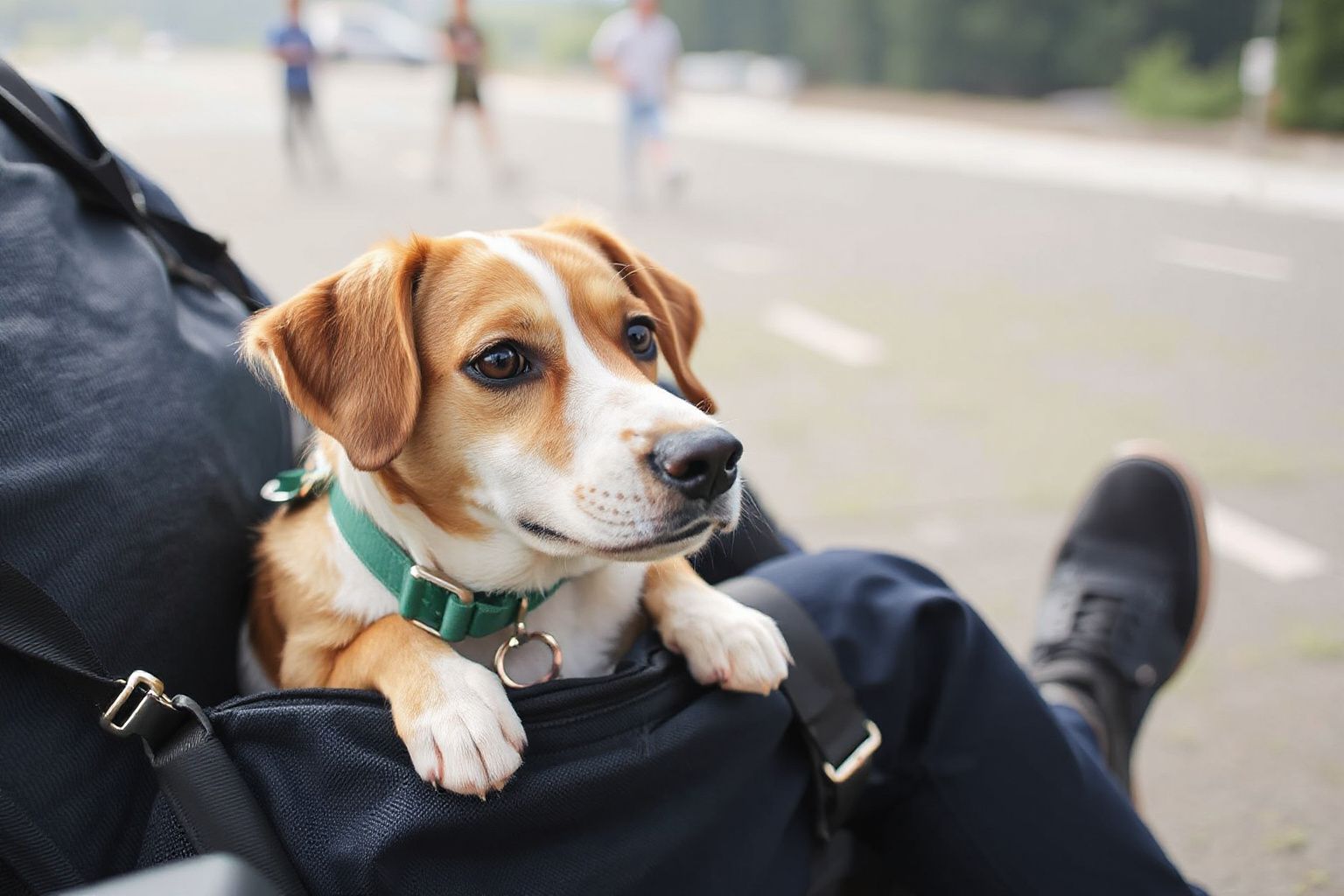
A rabies vaccination certificate is required for most dogs and cats.
A health certificate signed by a licensed veterinarian confirms that the animal was examined and appeared healthy at the time of inspection. It is generally recommended that it be issued close to your travel date, as an older certificate may not satisfy a border officer.
Understanding Pet Import Requirements: Rabies Vaccinations and Age Rules
Canada distinguishes between countries it considers rabies-free and those where rabies is present. The rabies-free list includes Australia, Fiji, Finland, Iceland, Ireland, Japan, New Zealand, Sweden, and the United Kingdom (England, Scotland, Wales, and Northern Ireland). If your pet has lived only in one of those countries and is coming directly from there, the rabies vaccination requirement may not apply.
Age can be a factor for puppies and kittens. Specific rules may apply regarding minimum age for entry, particularly for very young animals that cannot be vaccinated against rabies on the standard schedule. These rules can also address whether an unvaccinated young animal can enter and under what conditions. It is advisable to confirm current details directly before you travel, especially if your puppy or kitten is very young.
The comparison table below gives you the quick reference for the two most common scenarios.
| Requirement | Dogs | Cats |
|---|---|---|
| Rabies vaccination (from non-rabies-free country) | Generally required | Generally required |
| Rabies vaccination (from rabies-free country) | Often not required | Often not required |
| Health certificate from licensed vet | Often required | Often required |
| Minimum age rules for entry | May apply to young puppies | May apply to young kittens |
What to Expect at the Border: CBSA Inspection and Fees for Your Pet
Border officers may ask for your pet’s documents during primary inspection, or they may send you to secondary inspection for a more detailed review. Either way, having your rabies vaccination record immediately accessible is what keeps that process short.
At secondary inspection, officers may ask questions about where the animal has been, when it was last vaccinated, and how long you plan to stay. Answer directly. If the documents are in order, there’s nothing to add.
Canada’s import requirements are designed to prevent disease introduction, and border officers take that seriously. An animal that can’t be cleared because paperwork is missing or expired may not be allowed into Canada, and further actions may be taken depending on the assessed risk.
Specific Rules for Different Pet Scenarios: Puppies, Kittens, and Service Animals
Young animals are the scenario most likely to catch people off guard. Young animals, particularly those too young for rabies vaccination, may fall under special categories. Canada may have specific provisions for importing young unvaccinated animals, which come with conditions. It is crucial to confirm the current rules with the CFIA before travelling with a very young puppy or kitten.
Service animals are treated differently in some contexts. Within Parks Canada places, service animals are permitted when accompanied by their handlers and must be kept on a leash or harness. At the border itself, service animals still need to meet Canada’s animal import requirements; being a service animal doesn’t exempt the animal from health documentation rules.
Animals transiting through Canada on the way to a third country also fall under import rules. If your layover is in Canada and your pet is travelling in cargo, the same documentation applies.
If your own travel authorisation involves any complications, such as a dual citizenship situation affecting which passport you use, sorting that out early matters just as much as the pet paperwork. The eTA and dual citizenship rules explain how passport choice affects your application.
Planning Your Pet’s Travel: Carrier Requirements and In-Cabin vs. Cargo
This is where the airline becomes your second regulator. Canada’s border rules govern whether your pet can enter the country; your airline’s rules govern whether your pet can board the plane at all.
If You’re Planning to Visit Parks Canada
Bringing a pet into a national park adds another layer of rules on top of the border requirements. In Parks Canada places, pets must always be kept on a leash or in suitable confinement. Pets should not be left unattended in a vehicle, campsite, or any other location, given the risks from wildlife, weather, and unfamiliar environments. Allowing a pet to chase wild animals is illegal and carries real consequences.
Some areas within Parks Canada places don’t permit pets at all. Trailhead notices and information centres post these restrictions, so check before you head down a trail. Cleanup is required everywhere pets are allowed.
Best Practices
Book your vet appointment well in advance of travel, so there’s time to address anything unexpected.
Carry all pet documents in your carry-on, in a separate folder from your own travel documents.
Check that the animal’s name and description match across every document you’re carrying.
If your pet is coming from a country on the rabies-free list, it is advisable to bring documentation confirming its country of origin, in addition to any other required paperwork.
If your puppy or kitten is very young, treat any applicable age rules as the first thing to resolve, before flights, hotels, or anything else.
In Parks Canada places, check for pet-restricted areas before setting out on any trail.