The short answer: a visitor can bring most packaged food into Canada for personal use, generally up to 20 kg per person per category, as long as every item is declared. Bread, biscuits, sweets, chocolate, tea, coffee, spices, honey and sealed baby formula are fine from anywhere. Fresh or cured meat, eggs and unpasteurised cheese from outside the United States are the items that get taken away. The food rules are separate from your travel authorisation, so if you still need to apply for a Canada eTA before the flight, do that first; it is a paid private service, separate from the Government of Canada.
Applying on canada.ca costs only the government fee.
Food is checked at the border, not when the eTA is approved. The authorisation lets you board a plane; what is in your suitcase is dealt with at the arrival hall, at the kiosk or at the officer’s desk, in the same step described in the arrival and border crossing walkthrough. This article covers the food part of that step: what a tourist on a one- or two-week trip is likely to pack, what happens to it, and what the declaration question really asks.
Which food can a tourist bring into Canada?
The limits come from the Canadian Food Inspection Agency (CFIA), which publishes two tables: one for travellers arriving from the United States and one for everyone else. The quantities are per person and apply only to food for your own use, not for sale. The table below picks out the items that actually turn up in a tourist’s bag.
| Food | Arriving from the US | Arriving from any other country |
|---|---|---|
| Bread, pastries, cakes, biscuits | Up to 20 kg, no meat inside | Up to 20 kg, no meat inside |
| Sweets, chocolate, crisps, snack foods | Up to 20 kg or 20 L, no meat inside | Up to 20 kg or 20 L, no meat inside |
| Tea, coffee, spices | Up to 20 kg | Up to 20 kg |
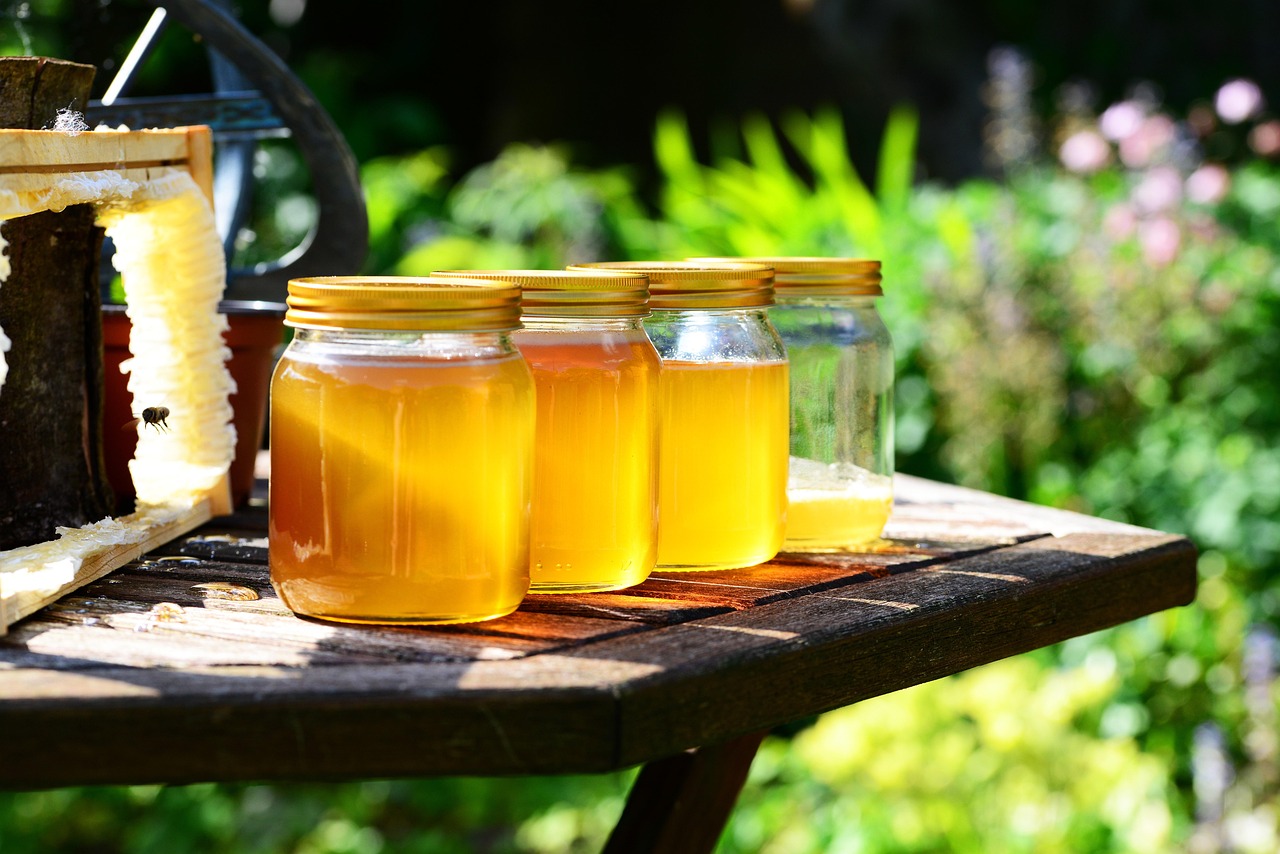
| Honey | Up to 20 kg | Up to 20 kg |
| Cheese and dairy | Up to 20 kg or 20 L | Only ice cream, yogurt, kashk and pasteurised cheese; unpasteurised cheese only from certain countries |
| Meat and poultry | Up to 20 kg, retail packaged with proof of US origin | Fresh, dried and cured meat is not permitted; only cooked, shelf-stable products in a sealed can, jar or pouch |
| Eggs | Up to 5 dozen, retail packaged, labelled “Product of the USA” | Not permitted |
| Infant formula | Up to 20 kg or 20 L | Up to 20 kg or 20 L, commercially packaged, sealed and shelf-stable |
| Fresh fruit and vegetables | Up to 20 kg each, but check AIRS first | Check AIRS; may be restricted or prohibited by country of origin |
| Nuts, grains, seeds | Up to 20 kg, check AIRS | Up to 20 kg, check AIRS |
| Maple syrup and maple products | 20 L of syrup, 4 kg of products | 20 L of syrup, 4 kg of products |
| Non-alcoholic drinks | Up to 50 L | Up to 50 L |
AIRS is CFIA’s Automated Import Reference System, a lookup where you enter the product and the country it comes from and get the current rule. For a bag of sweets you will never need it. For an apple, a bag of walnuts or a chilli from your garden, you might.
The full tables, with the fish, oils and game rows most visitors never need, are on the CFIA page on bringing food into Canada for personal use, dated 26 May 2026.
Snacks for the flight and the first days: anything to worry about?
No. Crisps, chocolate bars, biscuits, cereal bars, gummy sweets and dried fruit are all “confectionery, sweeteners, snack foods” or “processed fruit” in CFIA’s language, and the only condition on the first group is that it contains no meat. A pack of beef jerky from home is where that condition bites: for a traveller arriving from anywhere but the United States, dried and cured meat is on the not-permitted list, and even for a US traveller it needs a retail label showing the country of origin.
Sandwiches made at home with ham or salami fall into the same trap. Eat them on the plane or leave them behind; a cheese or jam sandwich is fine.
Can I bring homemade food into Canada?
Homemade food is not banned as a category, but the rules are written around the ingredients, and homemade items have no label to prove what is inside. A tin of your grandmother’s biscuits is baked goods and comes in. A homemade meat pie does not, because baked goods “cannot contain meat”. Homemade jam, cake, bread and sweets are fine within the 20 kg limit.
The Canada Border Services Agency (CBSA) lists homemade food among the items travellers most often forget to declare, next to processed and canned foods, cooked or cured meats, fruit and vegetables, and milk products such as butter, yogurt and kefir. Forgetting is the problem, not the biscuit tin itself.
Gifts: tea, sweets, cheese, honey and a bottle of something
Most edible gifts are the easiest category of all. Tea, coffee, spices, honey, chocolate and biscuits all sit at 20 kg per person with no further conditions, far more than any gift bag.
Cheese is the gift that depends on where you are coming from. From the United States, dairy products of any kind are allowed up to 20 kg. From anywhere else, the list narrows to ice cream, yogurt, kashk and pasteurised cheese; an unpasteurised cheese is only allowed from countries free of certain animal diseases, which is exactly the question AIRS answers. If the label does not say pasteurised, assume the officer will ask.
Alcohol is not a CFIA matter at all. CBSA sets separate limits for alcohol and tobacco, so a bottle of wine as a gift is covered by those limits, not by the food tables; the figures are in the visitor duty-free allowance for alcohol, tobacco and gifts.
Baby formula and children’s food
Infant formula, whether dry or liquid, milk-based or not, is allowed up to 20 kg or 20 L per person. From a country other than the United States it must be commercially packaged, sealed and shelf-stable, and must not carry a “keep refrigerated” or “keep frozen” instruction before opening. In practice that means unopened tins and cartons of the usual supermarket brands pass, while a homemade preparation or an opened pouch may not.
Purees, cereals and biscuits for toddlers follow the ordinary rules for processed fruit and vegetables and baked goods, so they are fine. Families travelling with children have a longer list of things to line up before the flight; the family checklist for children’s eTAs covers the authorisation side, and the formula rule above covers the hand luggage.
Do I need to declare food at Canada customs?
Yes, every item, whether or not it is on any restricted list. CFIA’s wording is that you “must declare all food products you bring with you into Canada”, and CBSA calls declaring the law. The declaration question on the kiosk, in the ArriveCAN Advance Declaration or on the paper card is a yes-or-no question about food, plants and animal products; a packet of biscuits means the answer is yes.
Saying yes does not mean losing the food. It means an officer may ask what you have and may look at it. Most of the time the exchange is one sentence: “Biscuits, chocolate and a jar of honey.” If you are unsure whether something counts, CBSA’s own advice is to ask the officer. The officer’s wider powers at that desk, including the right to look through your bags, are explained in what CBSA officers can ask an eTA holder.
What happens if I don’t declare food?
CBSA sets out three consequences for failing to declare food, plant or animal products or for lacking a required permit: the product is detained, a penalty of up to $1,300 may be issued, and prosecution is possible. Goods that are not admissible may be confiscated and destroyed, and the traveller can be billed for the cost of disposal, quarantine or treatment.
Compare that with the cost of declaring a sandwich: a few seconds and, at worst, a sandwich in the bin. There is no scenario in which not declaring comes out ahead, and the penalty applies to the failure to declare, not to whether the food turned out to be allowed.
Does the eTA have anything to do with food?
No. The eTA is an entry authorisation linked to your passport and checked by the airline at check-in. It asks nothing about luggage, and nothing you pack can affect it. The food questions are asked by CBSA at the border, and the answers are judged under food, plant and animal legislation, not immigration law.
The same separation applies to the other things people worry about packing: prescription medications have their own paperwork, and a pet travelling with you has a CFIA process of its own. None of them is part of the eTA application.
The short version
- Packaged snacks, baked goods without meat, sweets, tea, coffee, spices and honey are allowed from any country, up to 20 kg per person per category.
- From outside the United States, fresh, dried and cured meat is not permitted; only cooked, shelf-stable meat in a sealed container is. Eggs are not permitted at all.
- Cheese from outside the US must be pasteurised; dairy from the US is allowed up to 20 kg.
- Baby formula is allowed up to 20 kg or 20 L; from outside the US it must be sealed, commercially packaged and shelf-stable.
- Fresh fruit, vegetables and nuts depend on the country of origin: check AIRS before packing them.
- Declare every food item. Failing to declare can mean losing the food, a penalty of up to $1,300 and, in serious cases, prosecution.
- The eTA covers boarding the plane, not what is in your bag.
FAQ
Can I bring snacks into Canada from the UK or Europe? Yes. Crisps, biscuits, chocolate, sweets and cereal bars are allowed up to 20 kg per person as long as they contain no meat. Declare them on arrival and you will almost always be waved through.
Can I bring cheese into Canada? From the United States, yes, up to 20 kg of dairy products. From any other country only pasteurised cheese, yogurt, ice cream and kashk are allowed; unpasteurised cheese depends on the country of origin and must be checked in AIRS.
Is homemade food allowed into Canada? Homemade food is judged by its ingredients. Cakes, bread, biscuits and jam are allowed within the 20 kg limit; anything containing meat is not, because baked goods must contain no meat and cured meat from outside the US is prohibited. Declare it either way.
What is the fine for not declaring food at the Canadian border? CBSA states that failing to declare food, plant or animal products can lead to the product being detained, a penalty of up to $1,300 and prosecution. Costs of disposal or quarantine can also be charged to the traveller.
Can I bring baby formula into Canada? Yes, up to 20 kg or 20 L per person. If you are arriving from a country other than the United States, the formula must be commercially packaged, sealed and shelf-stable, so bring unopened tins or cartons rather than prepared bottles.